Men's Orbiter Softshell - KSB-1
- Regular Price
- $80.00
Orbiter Is a crypto bridge concept associated with moving digital assets between blockchain networks, especially when users need a faster path across Ethereum, layer 2 networks, and other compatible ecosystems. In practical terms, Orbiter helps people understand how cross-chain transfers work, what fees may apply, what wallet checks matter, and why every bridge transaction should be verified carefully before approval.
Orbiter sits in a part of crypto that can feel simple on the surface and technical underneath. A user usually sees a wallet connection, a source network, a destination network, an asset selector, an estimated fee, and a confirmation button. Behind that interface, a bridge needs liquidity, routing logic, smart contracts, relayers, settlement rules, and monitoring. Orbiter is best approached as a tool category that demands attention, not as a shortcut to ignore normal blockchain risk.
Orbiter is commonly searched as a cross-chain bridge for crypto transfers, meaning a service designed to help users send assets from one blockchain environment to another. The need exists because Ethereum, Arbitrum, Optimism, Base, zkSync, Polygon, Starknet, and other networks do not all share the same execution environment or fee system. A token balance on one chain is not automatically available on another chain, even when the wallet address looks the same.
Orbiter is relevant because modern DeFi users often move between networks to access lower fees, different applications, new token launches, NFT markets, decentralized exchanges, lending protocols, or gaming apps. Instead of treating every chain as a separate island, a bridge tries to create a usable route between them. That route may involve locked assets, released liquidity, wrapped representations, or other settlement mechanics depending on the bridge design.
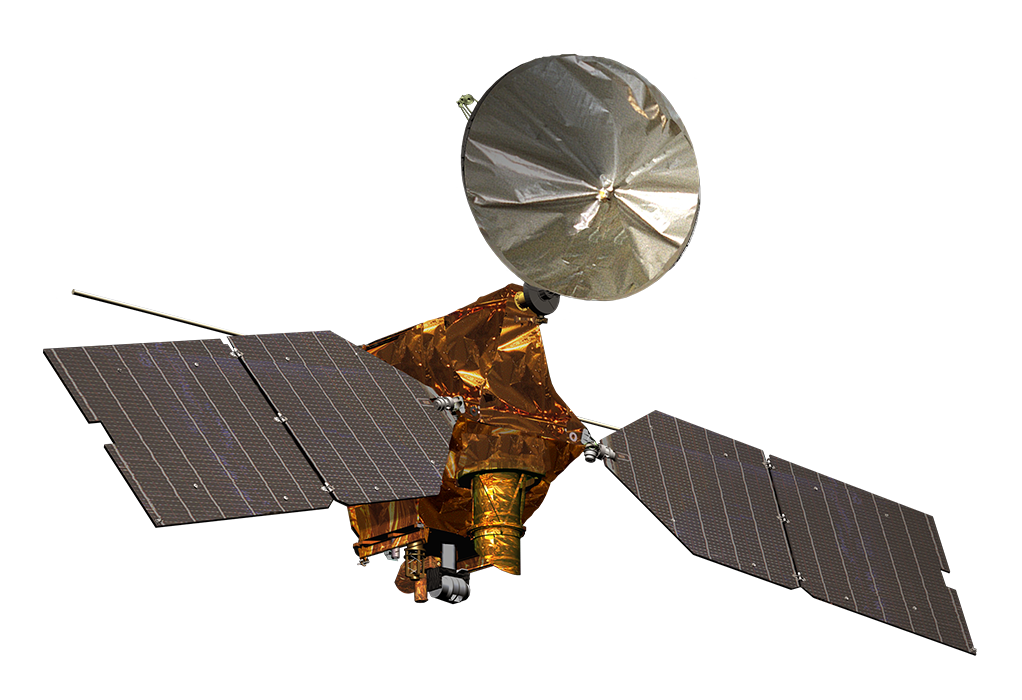
The word Orbiter can also cause confusion because it appears in unrelated product names outside crypto. For this page, Orbiter refers to the cross-chain transfer and bridge topic, not apparel, hardware, space equipment, or a general travel phrase. A reader looking for Orbiter finance information is usually trying to understand how to bridge funds, whether the process is safe enough, and what to check before clicking confirm.
Orbiter works by coordinating a transfer request between a source chain and a destination chain. A user chooses the network they are sending from, the network they want to receive on, and the token or coin they intend to move. The bridge interface then estimates the amount expected on the destination side after fees, network costs, and route limits. Orbiter may present this as a simple quote, but the user should still inspect every field.
In practice, Orbiter and similar bridges rely on wallet signatures, on-chain transactions, and liquidity or settlement infrastructure. The user does not physically move a coin through a tunnel. Instead, the bridge records an action on one chain and coordinates the matching result on another. Some bridges use liquidity pools, some use message-passing systems, some use validators or relayers, and some use native protocol integrations. The exact mechanism matters because it affects speed, cost, trust assumptions, and failure handling.
Orbiter users should understand that a wallet signature is not the same as a transfer confirmation. Some actions only connect a wallet, some approve token spending, and some submit a blockchain transaction that costs gas. When a token approval is required, the spending limit deserves extra care. A limited approval can reduce exposure compared with broad unlimited permissions, although the right choice depends on the wallet, token, and transaction flow.
Orbiter is useful when a user already has funds on one network but needs them somewhere else. For example, someone may hold ETH on an Ethereum layer 2 and need ETH on another layer 2 to use a decentralized exchange or mint an NFT. Another person may want to move a stablecoin to a network where transaction fees are lower. Orbiter can make this movement easier than sending funds through a centralized exchange, waiting for deposits, and withdrawing on another chain.
The appeal of Orbiter comes from convenience, speed, and network choice. DeFi activity is no longer concentrated on a single chain. Liquidity, incentives, applications, and communities move across many ecosystems. Orbiter offers a way to follow those opportunities without rebuilding a wallet setup from scratch each time. The benefit is strongest for users who already understand gas tokens, wallet networks, token standards, and transaction explorers.
Orbiter can also help with smaller operational tasks. A user might bridge just enough ETH to pay gas on a new network, consolidate balances scattered across chains, or prepare funds for an on-chain activity with a deadline. These use cases sound routine, but they still involve irreversible blockchain actions. Orbiter should be used with the same care as any other DeFi transaction, especially when the transfer amount is meaningful.
Orbiter should be approached step by step. Before using any bridge, confirm that you are on the intended official service, that the wallet is connected to the correct network, and that the destination chain supports the asset you expect to receive. Crypto transfers are unforgiving when the wrong chain, token, address, or contract approval is selected. A careful setup process is part of using Orbiter responsibly.
For a new user, the first Orbiter transaction should be small. A test transfer can confirm that the wallet, network, asset, and route behave as expected. If the small transfer arrives correctly, the user has more confidence in the path. This does not remove smart contract, liquidity, or market risk, but it can prevent common mistakes such as choosing the wrong network or misunderstanding how long a settlement may take.
Orbiter fees can include several components, and the exact cost can change as networks become congested or bridge routes update. A user may pay source-chain gas, destination liquidity or service fees, and sometimes additional costs related to the selected token. The amount shown in a bridge quote should be read as an estimate until the wallet presents the actual transaction details. Orbiter users should never assume yesterday's fee is still accurate today.
Timing can also vary. Some Orbiter transfers may settle quickly, while others may take longer because of network confirmation requirements, liquidity availability, security checks, or congestion. A delayed bridge transaction is stressful, but it is not always a loss. The best first response is to copy the transaction hash, check the source-chain explorer, and look for bridge status information from official channels. Repeating the same transfer without understanding the first one can make the situation worse.
Orbiter can feel cheaper than using a centralized exchange path when the route is efficient, but users should compare total cost rather than only the bridge fee. Gas on the source network, slippage-like route differences, minimum transfer constraints, and withdrawal alternatives all matter. For small transfers, fees may represent a large percentage of the amount. For larger transfers, safety and route reliability usually matter more than saving a tiny difference in cost.
Orbiter, like every crypto bridge, carries risk. Bridge systems have historically been targets because they manage cross-chain value, smart contracts, liquidity, and message coordination. Even a well-known interface cannot eliminate risks from contract bugs, compromised websites, phishing ads, fake social posts, wallet-draining approvals, network outages, or user error. Anyone using Orbiter should verify details with official sources and avoid treating any bridge as guaranteed.
The safest Orbiter workflow starts before the wallet is connected. Type or bookmark the official address after verifying it, be skeptical of sponsored search results, and avoid links sent through direct messages. Check whether the connected wallet is holding more assets than necessary. Some users prefer a separate wallet for bridging activity, which can limit exposure if a malicious approval or fake site is encountered.
Orbiter users should inspect wallet prompts instead of approving them by habit. If a prompt asks for broad token permissions, unusual contract interaction, or a network switch that does not match the chosen route, pause and recheck. Hardware wallets, transaction simulation tools, token approval managers, and block explorers can provide more visibility, but they do not replace judgment. The core rule is simple: verify the action before the chain records it.
Orbiter is one option in a broader cross-chain landscape. Other routes may include native rollup bridges, decentralized bridge protocols, centralized exchanges, wallet-integrated swaps, and application-specific bridging tools. A native bridge may have stronger alignment with a particular layer 2 but may take longer or support fewer routes. A centralized exchange can be familiar and liquid, but it introduces account custody, withdrawal limits, identity checks, and platform availability constraints.
Orbiter may appeal to users who want a direct Web3 bridge experience, especially when they are already comfortable managing their own wallet. The comparison should not be framed as one universal winner. The better choice depends on the asset, amount, destination, urgency, fee tolerance, and personal risk preference. A user moving a small gas top-up may value speed and convenience, while a user moving a large balance may prioritize audited contracts, battle-tested routes, and official documentation.
The protocol environment also changes. Supported chains, token lists, routing partners, interface design, and risk disclosures can be updated. Orbiter information should therefore be checked at the time of use. Static guides can explain how to think, but they cannot promise the current state of a live bridge. When in doubt, compare multiple sources, inspect recent status updates, and test with a small amount first.
Orbiter mistakes are often basic but expensive. Users may bridge to a network their wallet does not display, forget that the destination chain needs gas, send an unsupported token, or approve a fake contract. Another common issue is expecting a centralized exchange-style reversal. Blockchain transfers usually cannot be undone by customer support once the transaction is valid and confirmed.
Orbiter users should avoid rushing because many errors happen during routine moments. A deadline, a token launch, or a fast-moving market can push people into skipping checks. That is exactly when phishing links and fake bridge pages are most effective. It is better to miss a trade than to approve a malicious transaction. This is not financial advice; it is basic operational caution for self-custody systems.
There is also a language mistake: people sometimes say they are sending to a wallet, when they are really sending to the same wallet address on another network. The address may look identical, but the balance and transaction history live on different chains. Orbiter makes this easier to manage, yet the user remains responsible for understanding source chain, destination chain, and asset compatibility.
Orbiter represents the everyday reality of multichain crypto. Users want applications to feel connected, but blockchains still have separate security models, fee markets, and execution rules. A bridge can reduce friction, but it cannot make every chain identical. The practical value of Orbiter is that it helps users move through this fragmented environment with a clearer workflow.
Orbiter also highlights why education matters in DeFi. A person who understands gas, approvals, block explorers, slippage, liquidity, and wallet permissions can use cross-chain tools with more confidence. A person who treats a bridge like a simple bank transfer may miss key warnings. The difference is not technical elitism; it is the reality of self-custody, where the user signs actions directly.
Orbiter is best understood as a useful tool, not a promise. It can support cross-chain transfers, help users reach layer 2 networks, and simplify multichain activity, but every transaction deserves verification. Check the official source, confirm the route, review wallet prompts, start small when testing, and keep records of transaction hashes. With that mindset, Orbiter becomes part of a disciplined crypto workflow rather than a risky guess.
Orbiter is used as a cross-chain bridge concept for moving crypto assets between blockchain networks. A typical user might use Orbiter to transfer ETH or supported tokens from one layer 2 network to another, prepare funds for a DeFi app, or move a small gas balance to a new chain. Users should always verify supported assets, chains, and current service details through official sources before transferring funds.
An Orbiter bridge transfer usually starts with a connected Web3 wallet, a selected source network, a destination network, an asset, and an amount. The bridge estimates the destination output and asks the user to confirm a wallet transaction. Behind the interface, routing, liquidity, smart contracts, and settlement infrastructure coordinate the result. The user should review gas, fees, approvals, and transaction hashes carefully.
Orbiter can be useful, but no crypto bridge should be treated as risk-free. Bridge risks include smart contract bugs, phishing websites, fake support links, token approval exposure, liquidity delays, and user mistakes. Safer habits include verifying the official domain, testing with a small amount, checking wallet prompts, limiting approvals where practical, and confirming the transaction on a trusted block explorer.
Orbiter-related costs may include source-chain gas, bridge service fees, liquidity or routing costs, and sometimes destination-side considerations. Fees can change quickly when networks are congested or when a route is updated. Before confirming, compare the estimated output with the wallet prompt and make sure the transfer amount still makes sense after costs, especially for small transactions where fees can be proportionally high.
Orbiter transfer timing can vary by network, route, token, confirmation requirements, liquidity, and current congestion. Some transfers may complete quickly, while others may need more time for settlement or verification. If a transfer appears delayed, check the source-chain transaction hash first, then review official status information. Avoid repeating the transfer until you understand what happened to the original transaction.
In most blockchain contexts, a confirmed bridge transaction cannot simply be reversed like a card payment. If the wrong chain, asset, amount, or contract was selected, recovery may be difficult or impossible depending on the situation. This is why Orbiter users should review every field before signing, start with a small test transfer when uncertain, and keep transaction hashes for troubleshooting.
Soft-touch weather-resistant warmth. A high-performance mid-weight softshell, featuring water repellent fabric for elemental weather protection. Zippered pockets lined with brushed tricot, along with a lightweight fleece backing provides added comfort for your hands and core. Partner with an H2XTREME® waterproof outer layer and a lightweight H2X-DRY base for the ultimate layered system.
Shipping
Orders are shipped at a $15.00 Flat Rate in Canada and the United States.
View Shipping for more information
Returns
Products can be returned for a full refund within 30 days of the original date of order. All products must have all original tags attached, be unworn, and be in their original new condition.
View Returns for more information